
Understanding Benign Rolandic Epilepsy in Children
Understanding benign rolandic epilepsy is the first step for parents in navigating a diagnosis that often sounds much more frightening than it is. While hearing the word epilepsy can be a shock, this specific condition is widely considered one of the more positive forms of childhood seizures because it is self-limiting.
It is a common syndrome, accounting for approximately 15 percent of all childhood epilepsies, and is characterised by the reassuring fact that almost all children completely outgrow it by their mid-teens.

Understanding Tonic Clonic Seizure in Children: What Parents Should Know
Watching your child have a seizure can be one of the most distressing moments as a parent. A tonic clonic seizure often looks frightening, but episodes are usually brief and stop on their own. What matters most importantly is knowing what you are seeing, keeping your child safe during the seizure, and getting the right medical guidance afterwards.
This blog explains the tonic clonic seizure meaning, what a generalized tonic clonic seizure looks like in children, common tonic clonic seizure causes, whether tonic clonic seizure is dangerous, and what families should know about tonic-clonic seizure treatment.
Understanding Virtual Autism: Causes, Symptoms, and Early Intervention
The rapid rise of digital screens in early childhood has changed the way young children play, learn, and communicate. While technology offers benefits, prolonged exposure during the most sensitive years of brain development can interfere with a child’s ability to engage, respond, and learn from real-world interactions.
This pattern has led to increasing awareness of virtual autism, a term used to describe autism-like difficulties linked to excessive screen exposure rather than genetic or neurological causes.
Although virtual autism is not a formal medical diagnosis, clinicians across the world are seeing children who develop communication delays, social withdrawal, and behavioural challenges that improve when screens are limited and meaningful human interaction increases.
Through this blog, you will understand how this concept is vital for parents, caregivers, and educators, especially during the first three years of life when the brain is most receptive to sensory-motor and social experiences.

Interacting with a Child Who Has Autism Spectrum Disorder
Child Autism is a developmental disability that affects the way they communicate and interact with the world. Most people with autism have trouble in social interaction. Autism spectrum disorder or ASD people have their limitations and strengths.
What are the autistic child symptoms? How do you interact with an autistic child? Get answers to all these queries in this blog,
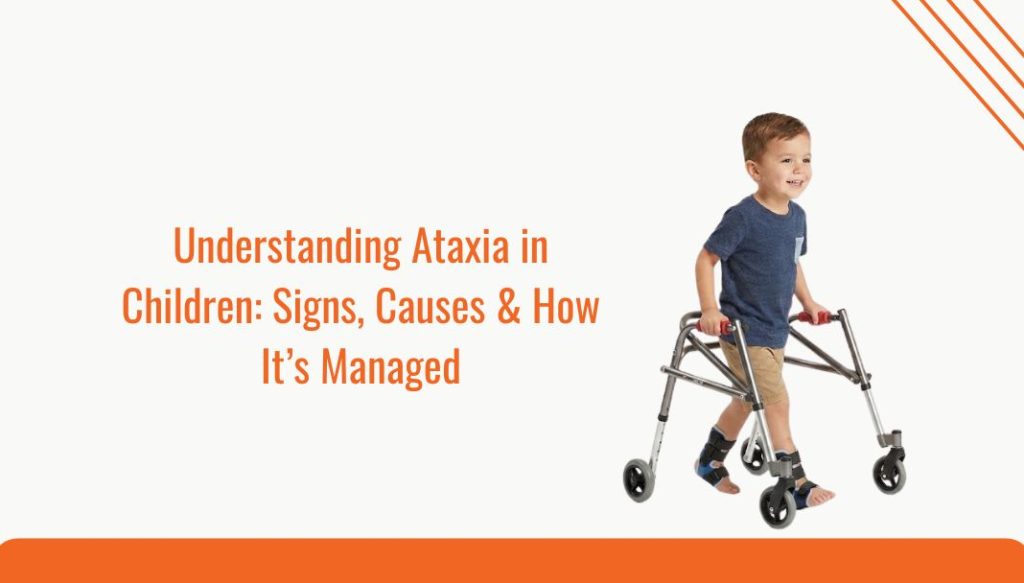
Understanding Ataxia in Children: Signs, Causes & How It’s Managed
Pediatric ataxia refers to difficulties in muscle control and coordination in children. These challenges may show up as issues with walking, keeping balance, or carrying out tasks that require fine motor skills.
Ataxia may be the result of birth injuries, such as cerebral palsy (CP), trauma from an accident, inherited conditions, or exposure to toxins that affect the brain.
All About ADHD Medication
If you’re considering ADHD medication for your child or they’re already on treatment, you likely have many questions. How do different ADHD medications work? What side effects might they cause?
Having a clear understanding of these factors can help you make informed choices and ensure your child benefits fully from their ADHD treatment.
In this blog, we’ll explore different types of medication for ADHD, their benefits, and potential side effects.
Depression in Children: Signs and Treatment
While it’s normal for kids to feel sad or lonely occasionally, if your child is consistently feeling hopeless or down, and it’s affecting their relationships and daily life, they may be experiencing childhood depression a serious mental health condition that requires medical attention and care.
The good news is that childhood depression treatment is available, and healthcare professionals can help diagnose, manage, and treat this condition effectively.
In this blog, we’ll explore how to get rid of depression in children, offering guidance on how to identify signs, seek support, and navigate the path toward healing.
Global Developmental Delay: Symptoms, Causes, Diagnosis, and Management
If your child is developing more slowly than expected, it’s normal to feel concerned. You might wonder why your child isn’t speaking yet, why movement is hard, or if something is wrong. When you talk with doctors or therapists, you may hear the term global developmental delay. At Neuropedia, we want to help you understand what this means and what steps you can take, so you feel more confident and supported.

How to Recognize Panayiotopoulos Syndrome Seizures in Kids?
If your child has experienced nighttime vomiting, eye deviation, or unresponsiveness, it’s natural to feel alarmed. These symptoms could point to Panayiotopoulos syndrome — a common yet often misunderstood type of epilepsy in young children.
The good news is that with the right awareness, it can be effectively identified and managed.
Read on to learn how to recognize Panayiotopoulos syndrome seizures in kids and how to support their health and well-being.

10 Autism Travel Tips
Traveling with a child on the autism spectrum can feel like navigating an unpredictable journey, full of excitement but also potential challenges!
Autism and vacation can turn out to be a blend of new environments, unfamiliar routines, and sensory overload, making the journey overwhelming. However, with the right preparation, it can be a smooth and enjoyable experience for both the child and their family. From planning ahead to creating a comforting travel kit, small adjustments can make a big difference in ensuring a stress-free trip.
At Neuropedia, expert paediatric neurologists and therapists provide personalised guidance and strategies to help families navigate autism travel with confidence, ensuring that children with autism feel secure and supported every step of the way.
Temper Tantrums in Children: When Should You Worry?
Every parent has faced it—your child suddenly breaks down in a loud, tearful temper tantrum, leaving you overwhelmed and wondering what triggered it.
While toddler tantrums are a normal part of early childhood, some tantrums seem unusually intense, frequent, or difficult to manage. So, how do you know when it’s just a phase—or when it might be a sign of something more?
In this blog, we’ll help you understand what’s normal and when it may be time to seek extra support.
Anxiety Disorders in Children
It’s not unusual for children to feel nervous from time to time, before an exam, on the first day of school, or during a thunderstorm. But when that worry becomes persistent, overwhelming, or interferes with daily life, it might point to an anxiety disorder.
Anxiety affects focus and concentration, making it difficult for children to stay attentive in class, complete tasks, or retain new information.
In this blog, we’ll explore what causes anxiety in children, the common types of anxiety disorders, and how early support can help children regain confidence and thrive better.

Therapy to Improve Children’s Mental Health
Most parents are concerned about their children’s mental health. Neuropedia is a leading children’s neuroscience center that provides personalized care for every child. The Pediatric Psychology team at Neuropedia evaluates mood, behaviour, academic and social functioning, and offers the best approaches to improve children’s mental health.
Have you noticed something odd/strange/changes in your child? Do they seem depressed? Are they hyperactive or have difficulty focusing? What feelings are swirling around your child? The changes in their mood, thoughts, behaviors, sleep patterns and social relationships may indicate that there is something much deeper going on.
It’s essential to start with therapy to improve your children’s mental health.
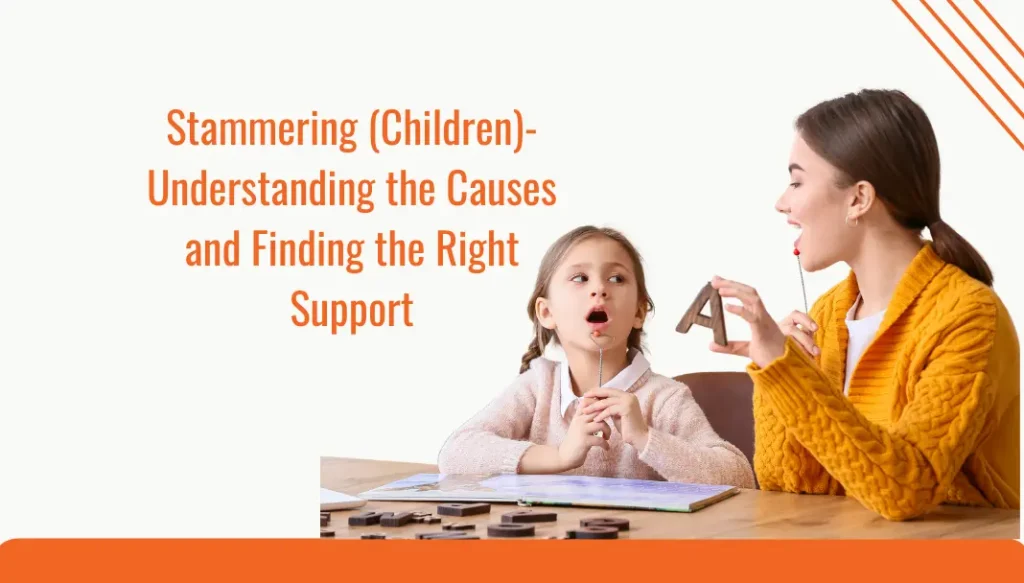
Stammering (Children)- Understanding the Causes and Finding the Right Support
As a parent, seeing your child struggle to express themselves can be incredibly upsetting. If your little one repeats sounds, hesitates mid-sentence, or seems frustrated while trying to speak, you might be dealing with something more than just a speech delay.
Stammering or stuttering is more common than many realise, and for children, it can be both confusing and distressing.
In this blog, we will understand in depth what causes a stammer in a child and, more importantly, how we can help stop stuttering before it affects their confidence. In this blog, we will understand in depth what causes a stammer in a child and, more importantly, how we can help stop stuttering before it affects their confidence.
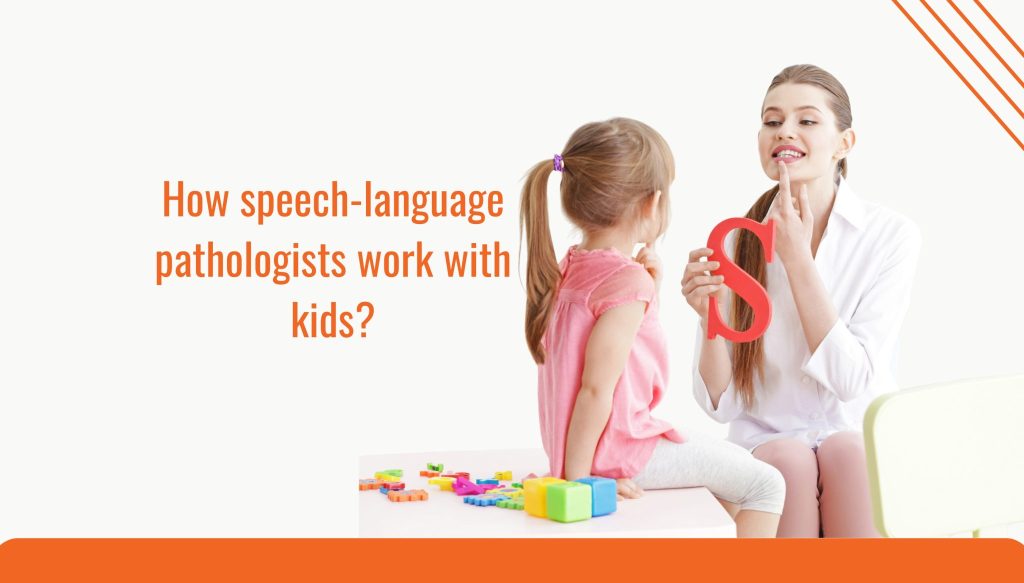
How speech-language pathologists work with kids?
Every child deserves the chance to communicate, connect, and express themselves fully. For some children, however, developing clear and effective communication can present unique challenges.
This is where the invaluable expertise of speech-language pathologists (SLPs), often called speech therapists or kids speech pathologists, plays a pivotal role in unlocking little voices and fostering confident communicators.
At Neuropedia, we understand the intricate connection between communication and a child’s overall development.
Speech-language pathologists are highly trained and licensed professionals who work with children of all ages, from toddlers to teenagers, addressing a broad spectrum of communication and swallowing difficulties. Their work is multifaceted, encompassing assessment, diagnosis, and the implementation of tailored speech therapy interventions.
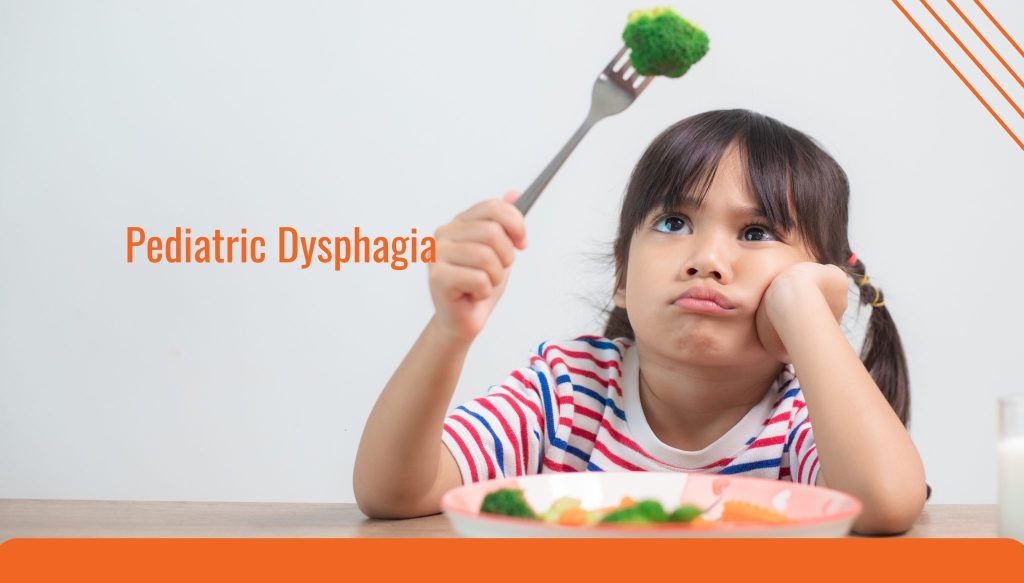
Pediatric Dysphagia
Many children are fussy eaters. However, if you observe your child having difficulty chewing or swallowing food or fluids, it could be due to a disorder known as dysphagia, which means “difficulties in swallowing.”
Food and drinks typically move from the mouth to the throat and then into the esophagus before reaching the stomach. Dysphagia in children disrupts the normal swallowing process. Food or beverages may enter the windpipe or lungs instead of the stomach, resulting in major issues such as:
- Aspiration pneumonia, a kind of pneumonia resulting from bacteria that enter the lungs through food.
- Respiratory problems
- Malnutrition
- Dehydration
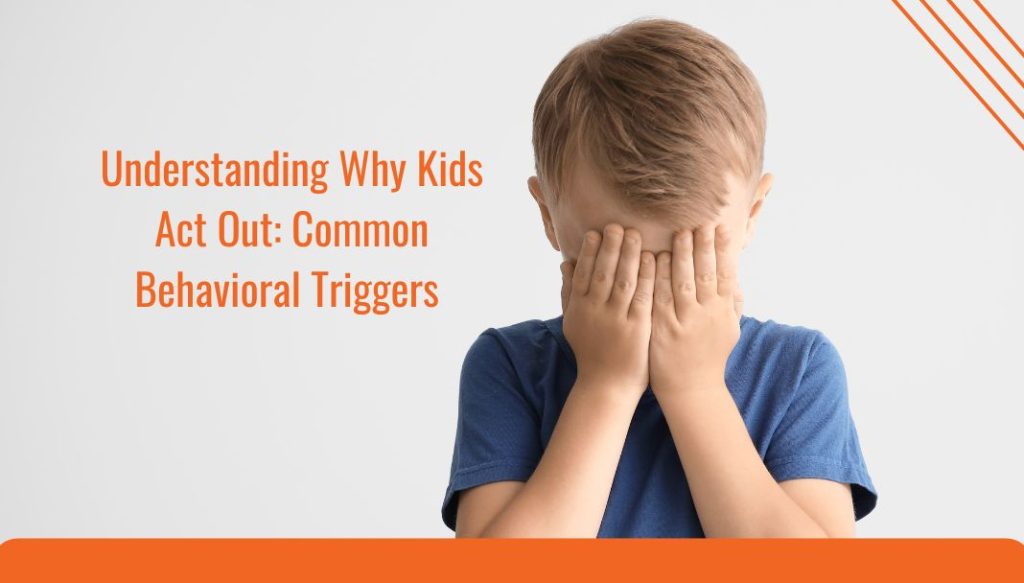
Understanding Why Kids Act Out: Common Behavioral Triggers
Understanding and addressing childhood behavioral challenges is an important part of parenting. Whether it’s tantrums, defiance, or frequent outbursts, these behaviors often leave parents searching for answers.
While occasional difficulties are a normal part of growing up, persistent patterns may indicate underlying causes that need attention. From emotional challenges to developmental factors or environmental influences, several reasons can contribute to a child’s behavior.
We will help you understand some of the most common causes, helping parents gain a clearer perspective and equipping them with the knowledge to support their child effectively.
Medical Conditions Associated With Autism
Autism Spectrum Disorder (ASD) is a complicated developmental condition that affects social interaction, communication, and behavior. While autism is often considered on its own, it’s crucial to understand the autism comorbidity list, as many children with autism experience additional health challenges. These co-occurring conditions, also known as comorbidities, can impact a child’s general development and quality of life.
At Neuropedia, a trusted pediatric neurosciences center, we provide comprehensive care to address autism and its associated medical conditions. Let us help you understand the most common health issues associated with autism and how expert care can make a difference.
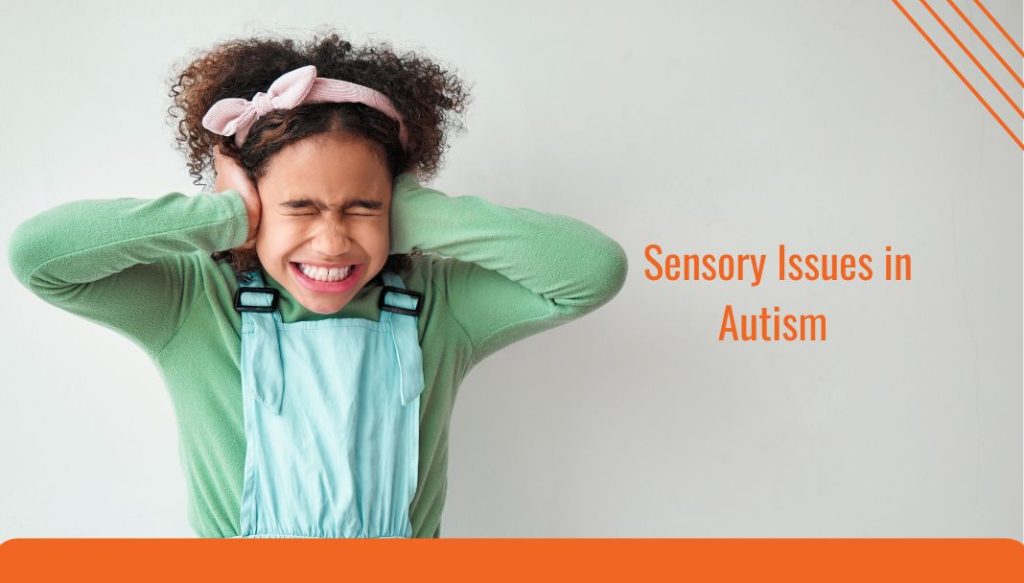
Sensory Issues in Autism
Sensory processing disorder or sensory issues are common challenges in autism. Sensory issues in autism differ from one person to another. Some people experience hypersensitivity or over-responsiveness, while others experience hyposensitivity or under-responsiveness. Most individuals with autism have a combination of both sensory issues.
What Are the 3 Types of ADHD?
Imagine a classroom filled with young minds eager to learn. While most children sit attentively, one child always seems lost in their own world, another who can’t sit still, and yet another who blurts out answers before the question is fully asked.
These behaviors aren’t just signs and symptoms of a restless child; they may be indicators of Attention Deficit Hyperactivity Disorder (ADHD).
ADHD is a multifaceted condition that varies from child to child, so parents and caregivers need to recognize the three different types of ADHD.