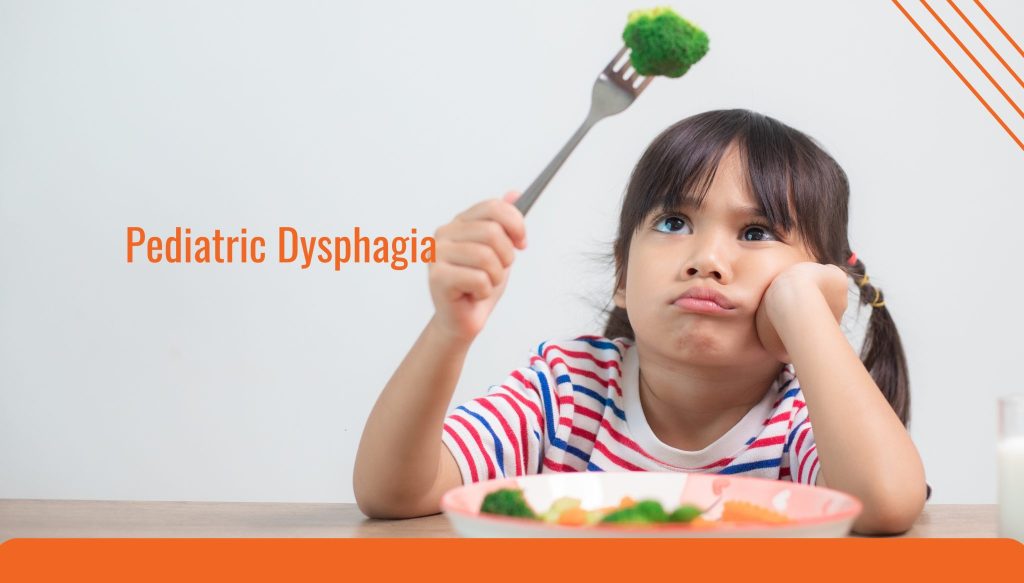
Many children are fussy eaters. However, if you observe your child having difficulty chewing or swallowing food or fluids, it could be due to a disorder known as dysphagia, which means “difficulties in swallowing.”
Food and drinks typically move from the mouth to the throat and then into the esophagus before reaching the stomach. Dysphagia in children disrupts the normal swallowing process. Food or beverages may enter the windpipe or lungs instead of the stomach, resulting in major issues such as:
Aspiration pneumonia, a kind of pneumonia resulting from bacteria that enter the lungs through food.
Respiratory problems
Malnutrition
Dehydration
Pediatric Dysphagia: Causes, Symptoms, and Treatment Options
Pediatric dysphagia is characterized by difficulty in swallowing. It is a condition that affects several infants and young children, making it challenging for them to feed properly.
Pediatric dysphagia in infants impacts a child’s ability to feed or swallow smoothly. Infants with dysphagia may struggle to move food from the mouth to the stomach, leading to complications in growth, nutrition, and overall health.
Knowing the causes of dysphagia in infants and exploring effective treatment options is crucial for supporting your child’s development.
Quick Fact: About 1 in 10 children may indicate signs of dysphagia and may need early intervention to avoid long-term developmental problems.
Signs of Dysphagia in Infants
Recognizing the early signs of dysphagia in infants is crucial. Symptoms vary but may include:
Coughing or choking while eating
Vomiting or Gagging
Prolonged feeding times
Difficulty gaining weight or failure to thrive
Arching back or body during feeding due to discomfort
If your newborn shows difficulty swallowing, an evaluation at Neuropedia can help identify and address underlying issues.
Causes of Dysphagia in Infants
Understanding the causes of dysphagia in infants helps determine the most effective treatment. Pediatric dysphagia often arises due to:
Neurological Conditions
Premature birth, cerebral palsy, and traumatic brain injury can impact swallowing.
Structural Abnormalities
Conditions such as cleft palate, tongue-tie, or esophageal atresia can restrict swallowing movements.
Genetic Disorders
Some genetic conditions, such as Down syndrome or muscular dystrophy, can interfere with muscle control required for swallowing.
Gastrointestinal Issues
Acid reflux or esophageal inflammation may cause difficulty swallowing and feeding discomfort.
At Neuropedia, our pediatric dysphagia treatment approaches are tailored to each child’s unique needs. Commonly recommended treatments for infants with dysphagia include:
Behavioral and Feeding Therapy – Speech and feeding therapists help develop oral-motor skills, improve swallowing safety, and support more efficient feeding.
Occupational Therapy –OTs address positioning, sensory processing, and oral-motor coordination, which are crucial for safe swallowing and comfortable feeding.
Specialized Diets and Feeding Techniques – Adjusting food textures, pacing, and feeding methods helps reduce choking risk and ensures proper nutrition.
Medication for Underlying Conditions – If dysphagia is related to reflux or gastrointestinal issues, medications may be prescribed to manage symptoms.
Surgical Interventions – When structural abnormalities are present, surgery may be required to support safer and more effective feeding.
Importance of Early Intervention for Newborn Difficulty Swallowing
Timely intervention is crucial to successful pediatric dysphagia treatment. Left untreated, dysphagia in infants can lead to severe dehydration, malnutrition, and slow growth.
Neuropedia’s approach emphasizes thorough evaluation and intervention, ensuring that each child’s specific requirements are met with appropriate treatments.
Neuropedia’s Approach to Treating Pediatric Dysphagia
At Neuropedia, our team of child neurologists and pediatric experts offer custom care that is curated to the needs of infants with dysphagia. We focus on:
Holistic Assessment: A comprehensive diagnostic approach to identify the underlying cause of dysphagia in infants.
Custom Treatment Plans: Tailored therapies combining neurological, behavioral, and rehabilitative methods to address each child’s specific needs.
Support for Parents: We empower parents by educating them on feeding strategies and helping them understand the nature of their child’s condition.
Neuropedia is recognized as the first comprehensive pediatric neurosciences center in Dubai, renowned for its expertise in treating newborn difficulty swallowing and other pediatric conditions.
Consult Neuropedia and get treatment for dysphagia in infants
If you’re seeking specialized treatment for dysphagia in infants, Neuropedia is here to help.
Our team of professionals provides top-notch care, ensuring your child’s health, comfort, and development.