It’s not unusual for children to feel nervous from time to time, before an exam, on the first day of school, or during a thunderstorm. But when that worry becomes persistent, overwhelming, or interferes with daily life, it might point to an anxiety disorder.
Anxiety affects focus and concentration, making it difficult for children to stay attentive in class, complete tasks, or retain new information.
In this blog, we’ll explore what causes anxiety in children, the common types of anxiety disorders, and how early support can help children regain confidence and thrive better.
Anxiety is a form of natural stress response. But when it occurs too often or too intensely, it can impact a child’s emotional and behavioural development.
Some common causes of anxiety in children can be:
Sometimes, children may appear to be feeling anxious for no reason, but a deeper look usually reveals underlying emotional or environmental stressors.
Children can show different forms of anxiety, each having a specific pattern of behaviours and triggers.
Common types of anxiety disorders can include:
1. Separation Anxiety Disorder
This anxiety can be seen commonly in younger children. It’s more than just crying at preschool drop-off; children with separation anxiety disorder experience intense fear when apart from parents or caregivers, even in safe environments.
Symptoms include:
2. Social Anxiety Disorder
This disorder specifically displays an intense fear of social situations, where a child can worry about being judged, embarrassed, or rejected.
A child with social anxiety disorder may:
3. Generalised Anxiety Disorder (GAD)
Children with GAD worry about a wide range of everyday things, school performance, health, safety, or world events. The worry is excessive, hard to control, and can cause physical symptoms mimicking headaches, stomach pains or fatigue.
4. Specific Phobias
It includes intense fears of specific objects or situations (e.g., dogs, the dark, needles). The fear is disproportionate and can severely limit a child’s willingness to engage in everyday activities.
5. Panic Disorder
This involves repeated episodes of panic attacks, sudden, intense fear with symptoms like rapid heartbeat, shortness of breath, or dizziness. Panic attacks can occur unexpectedly, often leaving the child frightened of a repeat episode.
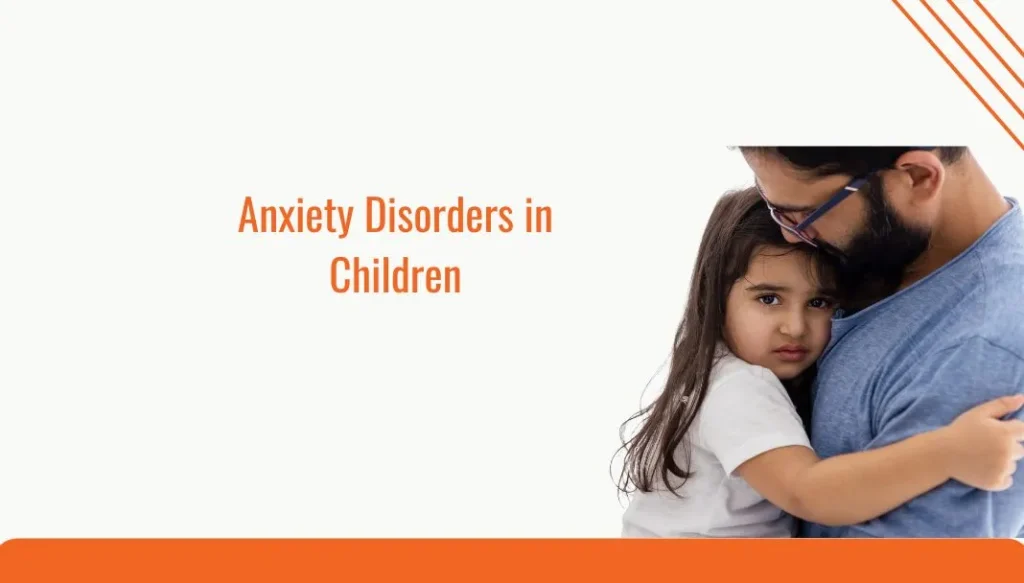
Recognising the signs of anxiety in children can help in preventing long-term emotional issues.
Symptoms of anxiety can vary from child to child.
The commonly seen indicators are:
Some children may not express their worries verbally, making it important to watch for behavioural changes and physical complaints.
When your child shows signs of an anxiety disorder, early intervention is always key. You can support them with gestures, compassion and communication.
If your child’s fears are constant, excessive, and impacting their quality of life, it’s time to speak with a specialist.
Paediatric psychology experts can help in providing accurate diagnoses and tailor therapies as per the child’s needs.
Supportive environments, at home and school have a pivotal role in helping children manage anxiety.
At Neuropedia, we understand how confusing and overwhelming it can feel when your child is struggling emotionally. As the first paediatric neuroscience centre in the UAE, we offer comprehensive assessments and personalised treatment plans for children with anxiety disorders, ADHD, autism spectrum disorder, learning challenges, and more.
Our child-focused approach combines clinical expertise with compassionate care. Whether your child is experiencing separation anxiety, social anxiety disorder, or simply showing signs of chronic worry, we’re here to help them regain their confidence and joy.
Anxiety in children is more common than many realise, but it is treatable. Understanding what causes anxiety, recognising the early signs, and knowing the different types of anxiety disorders can help you take proactive steps toward your child’s well-being. With the right support, every child can learn to manage anxiety and thrive emotionally and socially.
Concerned about your child’s emotional health?
Book an appointment with our specialists today at Neuropedia and give your child the support they deserve.