


 04 343 1113


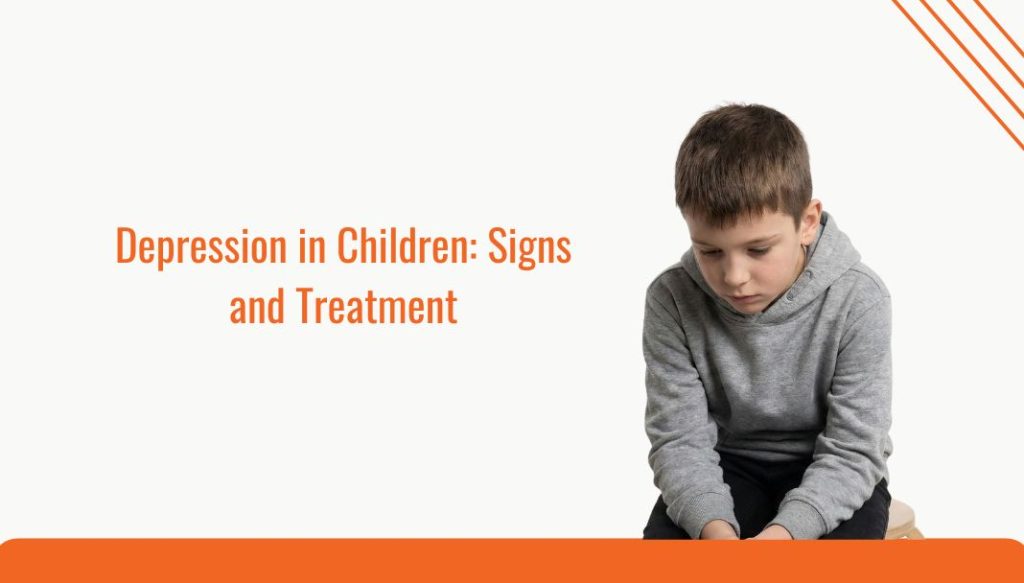
Are you concerned that your child may be struggling with depression?
While it’s normal for kids to feel sad or lonely occasionally, if your child is consistently feeling hopeless or down, and it’s affecting their relationships and daily life, they may be experiencing childhood depression a serious mental health condition that requires medical attention and care.
The good news is that childhood depression treatment is available, and healthcare professionals can help diagnose, manage, and treat this condition effectively.
In this blog, we’ll explore how to get rid of depression in children, offering guidance on how to identify signs, seek support, and navigate the path toward healing.
Signs and Symptoms of Childhood Depression

Depression in children can look different from how it manifests in adults, and it can vary from one child to another. However, there are some common signs to be aware of that may indicate your child is struggling with depression:
- Mood changes – seems sadder or more irritable than usual
- Changes in sleep – sleeplessness or excessive sleep
- Changes in appetite – either increased or decreased appetite
- Low energy levels or general tiredness
- Difficulty concentrating
- Feelings of worthlessness or guilt
- Loss of interest in hobbies and other interests
- Social withdrawal
- Thoughts of death or suicide
- Vocal outbursts or crying
Childhood Depression Causes and Risk Factors
Depression in children is most likely the result of a combination of one or more of the following:
- Genetics
- Family history
- Physical illness or injury
- Stressful life events such as separation, divorce, moving, or the death of a loved one
- Substance use
- Bullying or exposure to other traumatic experiences
- Children with chronic illness or disabilities
- Children with anxiety, ADHD, or other behavioral disorders
Complications of Childhood Depression
Children with depression are at a higher risk of developing anxiety and substance use disorders. They may also face difficulties in school and have an increased risk of suicidal thoughts. While these symptoms can be concerning, it’s important to remember that effective treatments are available.
Be sure to follow your child’s healthcare provider’s recommended follow-up schedule and seek immediate medical help if you believe your child may be at risk of self-harm.
How to Cope With Depression in Children?
Coping with depression in children requires a thoughtful, supportive approach. Here are some steps that can assist both parents and caregivers in managing and supporting a child through depression:
Create a Supporting Environment
Encourage open communication by actively listening without judgment, offering comfort, and validating your child’s feelings. Provide a stable routine and offer emotional reassurance.
Make sure they know they are not alone, and consistently show them love and understanding. This will help them feel safe and supported during difficult times.
Promote Healthy Lifestyle Habits
Encourage regular physical activity, a balanced diet, and adequate sleep to boost mood and overall well-being. Additionally, introduce relaxation methods such as deep breathing exercises or meditation to help reduce stress.
These habits can significantly reduce depressive symptoms and provide essential tools for your child to cope effectively.
Watch for Warning Signs of Self-Harm
Watch closely for signs of self-harm, including unexplained injuries, social withdrawal, or significant mood shifts. If your child talks about feelings of hopelessness or mentions suicide, take immediate action.
Ensure they have access to professional help and provide a supportive, nonjudgmental environment for them to open up.
Seek Professional Help
It’s crucial to seek guidance from a doctor, therapist, or counselor specializing in children’s mental health. They can evaluate the situation, offer an accurate diagnosis, and recommend treatment options like therapy, medication, or a combination of both.
Cognitive Behavioral Therapy (CBT)
Cognitive Behavioral Therapy (CBT) helps children develop more positive thinking patterns about themselves, their past, and their future. It teaches valuable coping strategies and relaxation techniques to manage anxiety and negative behaviors.
Medications
Selective Serotonin Reuptake Inhibitors, or SSRIs, are widely prescribed antidepressants for children. These medications work by boosting levels of serotonin in the brain, a chemical that can enhance feelings of happiness and overall well-being.
Visit Neuropedia for Childhood Depression Treatment in Dubai
Recognizing and addressing childhood depression early is crucial for your child’s well-being and future.
At Neuropedia, we offer compassionate, evidence-based care designed to meet the individual needs of each child. Our experienced team is committed to helping children overcome depression through a comprehensive approach that includes advanced therapies, counseling, and family support.
Contact Neuropedia today and take the first step toward a brighter, healthier future for your child.


.png)