


 04 343 1113


Has your toddler ever suddenly sat upright in bed, screaming, crying, or looking terrified, only to settle back to sleep and remember nothing the next morning?
For many parents, these frightening episodes can feel alarming and confusing. It is natural to wonder whether your child is having a nightmare, experiencing emotional distress, or dealing with an underlying medical problem.
In toddlers, these can be called night terrors. Parents can find it disturbing to watch, especially if a child seems scared or worried while sleeping. The episodes can be distressing for parents, but children typically have no memory of them, either during the event or when they wake up the following day.
Night terrors can be alarming, but understanding why they happen can make them easier to manage. In this blog, you will learn how to recognise the signs of night terrors in toddlers, understand their common causes and triggers, distinguish them from nightmares, and discover practical ways to respond safely. You will also learn when professional support may be needed and how the specialists at Neuropedia can help children with ongoing sleep concerns.
What are Night Terrors in toddlers?
Night terrors, also known as sleep terrors, are sudden episodes in which a child may cry out, appear frightened, or become restless while remaining asleep. These episodes are different from nightmares because they occur during deep sleep rather than during dreaming, and they are most often seen in the first few hours after a child falls asleep.
During an episode, a child may cry out, sit upright, appear frightened, kick, thrash, or even get out of bed. Although they may look awake, they are still asleep and are generally unaware of what is happening around them.
Night terrors in children are most commonly seen between the ages of 2 and 6 years, although they can occur in older children as well.
One important fact for parents to remember is that night terrors are generally not harmful and do not indicate psychological problems or poor parenting. Most children outgrow them as their nervous systems mature.
Signs and symptoms of Night Terrors in toddlers
Night terrors usually begin suddenly and can be frightening to witness.
A typical episode may include:
- Loud screaming or crying
- Sudden sitting upright in bed
- Breathing that becomes noticeably faster
- A pounding heartbeat
- Damp skin and sweating
- Eyes that remain open or appear fixed
- Bewildered or glassy-eyed look
- Sudden kicking, flailing, or restless body movements
- Walking or wandering while still asleep
- Little response to comforting or reassurance
- Seeming unaware of a parent’s presence or voice
Most episodes last around 5 to 15 minutes, although some children may remain unsettled for longer before settling back into sleep.
What parents typically observe
Parents often describe the experience as if their child is awake but unreachable.
You may notice that your toddler:
- Appears terrified
- Looks directly at you but does not recognise you
- Pushes away attempts to comfort them
- Speaks incoherently
- Continues crying despite reassurance
- Falls back asleep quickly after the episode ends
The next morning, most children have no memory of the event.
Night Terrors vs Nightmares: What’s the difference?
Many parents use these terms interchangeably, but they are very different sleep events.
| Night Terrors | Nightmares |
| Occur during deep sleep | Occur during dream sleep (REM sleep) |
| Usually happen in the first third of the night | Usually occur during the second half of the night |
| Child remains asleep | Child wakes fully |
| Difficult to comfort | Easily comforted by parents |
| Child may scream or thrash | Child usually seeks reassurance |
| No memory of the event | Child often remembers the dream |
| Appears confused or unaware | Alert and responsive |
Understanding night terrors vs nightmares can help parents respond appropriately and avoid unnecessary concern.
What causes Night Terrors in toddlers?
Parents frequently ask, “What causes night terrors?“
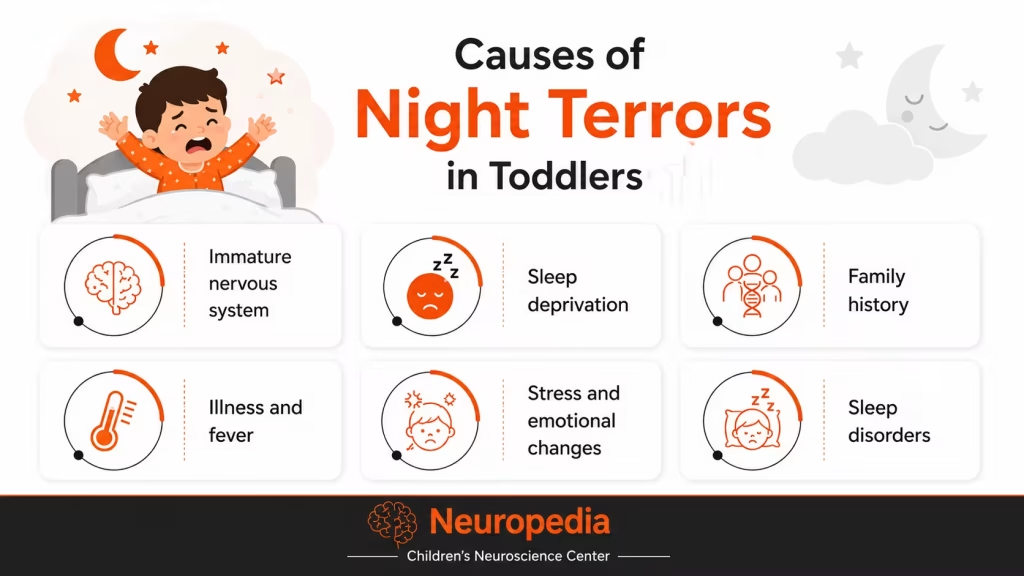
The exact reason some children experience night terrors is still being studied. What doctors do know is that these episodes usually happen when a child moves unexpectedly out of deep sleep without fully waking up.
Several factors have been linked to a greater chance of night terrors occurring.
- Immature nervous system
Sleep patterns continue to develop throughout early childhood. As the brain learns to move smoothly between different stages of sleep, some children may be more prone to brief disruptions that trigger night terrors.
- Sleep deprivation
Children who miss out on adequate sleep are more likely to experience disruptions during the deeper stages of sleep. A lack of sleep or several restless nights can leave a child overtired, which is often linked to an increased frequency of night terrors.
- Family history
It is not unusual for parents to recognise similar experiences from their own childhood. Night terrors, sleepwalking, and related sleep behaviours often occur in families, making some children more prone to these episodes than others.
- Illness and fever
Fever, viral infections, and other such illnesses can disturb normal sleep patterns, thereby triggering episodes in children who are already susceptible.
- Stress and emotional changes
Changes in a child’s daily life can sometimes affect sleep, even when they seem to be coping well on the surface. Common examples include:
- Starting nursery or school
- Moving to a new home
- Welcoming a new baby into the family
- Tension or changes within the household
- Separation from parents or caregivers
- Sleep disorders
In some children, recurring night terrors may occur alongside other sleep-related conditions. Problems such as obstructive sleep apnoea, chronic snoring, or disrupted breathing during sleep can interfere with normal sleep cycles and may contribute to repeated episodes.
Common triggers that can increase Night Terrors
Parents often notice that night terrors are more likely to happen during certain periods or after disruptions to a child’s routine. While not every episode has an obvious cause, several factors are known to increase the chances of a night terror occurring.
Common triggers include:
- Lack of sleep
- Overtiredness
- Inconsistent bedtimes
- Fever
- Viral infections
- Stressful situations
- Anxiety
- Visiting new places to sleep at night
- Travel and changes in time zones
- Inability to sleep at night
- Certain medications
- Screen time right before bedtime
- Sleep-related breathing difficulties
- Family history of sleepwalking or night terrors
Paying attention to when episodes occur can sometimes reveal patterns. Recognising and addressing possible triggers may help reduce how often night terrors happen.
How to handle a Night Terror episode safely
Toddler night terrors can be frightening for parents to witness, but most children settle back to sleep and have no memory of the episode the following morning.
What to do?
- Stay close by until the episode has passed
- Clear the area of anything your child could bump into or trip over
- If your child gets out of bed, calmly steer them back towards a safe place
- Use a quiet, comforting voice, even if they do not seem to respond
- Give the episode time to run its course
What not to do?
- Do not shake your child
- Do not raise your voice or panic
- Do not try to wake them abruptly
- Do not hold them down unless there is a risk of injury
Most night terrors settle without intervention, and children usually drift back into a normal sleep pattern once the episode is over.
| Expert tip: It can be difficult to watch your child go through a night terror, but waking them is rarely helpful. Because they are still asleep, attempts to wake them may leave them confused and upset. Staying nearby, keeping the environment safe, and allowing the episode to pass is usually the best approach. |
Treatment for Night Terrors in toddlers
There is no specific medication required for most children with night terrors. Treatment focuses on identifying triggers and improving sleep quality.
Remedies for night terrors in toddlers
- Keep bedtime and wake-up times as consistent as possible
- Make sure your child is getting enough sleep for their age
- Avoid situations that leave your child overly tired
- Follow a simple and relaxing bedtime routine each evening
- Help your child through periods of stress or change
- Switch off screens well before bedtime
- Seek treatment for any health conditions affecting sleep
- Address snoring or other breathing difficulties during sleep if present
If the episodes tend to happen at a similar time each night, your doctor may advise waking your child briefly before the usual time they occur. This technique helps some children by interrupting the sleep cycle linked to the episodes.
How to prevent Night Terrors in toddlers
Not every night terror can be avoided. Regular sleep habits help support healthy sleep cycles and reduce the chances of disruptions during deep sleep.
Prevention checklist
✓ Regular bedtime
✓ Age-appropriate sleep duration
✓ No screen before bed
✓ Comfortable sleep environment
✓ Calm bedtime routine
✓ Consistent wake-up time
✓ Avoid overtiredness
✓ Adequate daytime naps when needed
✓ Reduced evening stimulation
✓ Treatment of any illnesses
✓ Emotional reassurance during stress
Keeping a sleep diary can sometimes be helpful. Noting bedtimes, wake times, naps, illnesses, and night terror episodes may help parents spot recurring patterns or triggers over time.
When should parents see a doctor?
Night terrors are a common part of childhood and often improve with age. However, medical advice should be sought if:
- Episodes occur several times a week
- Night terrors continue for many months
- An episode lasts longer than 30 minutes
- Your child could injure themselves during an episode
- Sleepwalking becomes more frequent
- The episodes appear to be increasing in severity
- Changes in mood, behaviour, learning, or concentration are noticed during the day
- Your child snores regularly or has breathing difficulties during sleep
- You notice unusual movements such as stiffening, jerking, or drooling
A healthcare professional can assess whether further evaluation is needed and rule out other sleep or neurological conditions that may cause similar symptoms.
At Neuropedia Children’s Neuroscience Centre, children with ongoing sleep difficulties can be assessed by specialists experienced in childhood neurological and developmental conditions. Sleep disturbances can sometimes occur alongside behavioural, developmental, or neurological concerns, making a thorough assessment valuable in selected cases.
Neuropedia’s multidisciplinary team includes paediatric neurologists, psychologists, behavioural specialists, and allied health professionals who work together to understand each child’s needs and provide appropriate guidance and care.
Why choose Neuropedia for sleep and neurological concerns?
Neuropedia Children’s Neuroscience Centre is the first comprehensive paediatric neuroscience centre in the UAE, dedicated to the care of children with neurological, developmental, behavioural, and sleep-related conditions.
Families can benefit from:
- Access to experienced paediatric neurology consultants
- Coordinated care from multiple specialists in one place
- Thorough neurological evaluations
- Care plans tailored to each child’s specific needs
- A collaborative approach that involves parents at every stage
- Continued monitoring and long-term support
- Experience in managing childhood sleep difficulties and neurodevelopmental conditions
Every child is different. At Neuropedia, the aim is to understand not only the diagnosis but also how it affects everyday activities, learning, behaviour, sleep, and family life. This broader understanding helps guide care that is practical, personalised, and meaningful for both children and their families.
Supporting your child through Night Terrors
Watching your child experience a night terror can be upsetting, particularly when you are unsure what is happening. The reassuring news is that most children outgrow these episodes as they get older, and many never require medical treatment.
Knowing the difference between night terrors vs nightmares, recognising common triggers, and supporting healthy sleep habits can make these episodes easier to manage at home.
If the episodes become frequent, prolonged, or are accompanied by other concerning symptoms, professional assessment can help determine whether further evaluation is needed.
At Neuropedia Children’s Neuroscience Centre, families have access to experienced specialists who provide comprehensive care for children with sleep, neurological, developmental, and behavioural concerns, helping every child reach their full potential.




.png)